




Timeline Entry

connections game is a fun word puzzle that challenges players to spot hidden relationships between words. Each puzzle presents 16 words that can be sorted into four groups of four based on a shared connection. Some categories are easy to recognize, while others require creative thinking and careful attention to detail.

The Role of Aerial 3D Rendering in Modern Architecture and Real Estate
Understanding Projects Through Aerial Visualization
Aerial 3D rendering has become an important tool in architecture, urban planning, and real estate development. By presenting buildings and landscapes from an elevated perspective, these visualizations provide a comprehensive view of a project and its relationship with the surrounding environment. Rather than focusing on a single structure, they reveal the broader layout, infrastructure, and spatial connections that influence how a development functions.
This approach is particularly useful for residential communities, commercial complexes, mixed-use developments, and large architectural masterplans. It helps architects, developers, investors, and prospective buyers understand a project's scale and potential before construction begins.
Why Aerial 3D Visualization Matters
Traditional architectural drawings and maps provide essential technical information, but they may not communicate the overall appearance of a proposed development effectively. Aerial 3D visualization bridges this gap by combining architectural models, realistic materials, landscaping, and environmental details in a single image.
These visuals can illustrate roads, pedestrian routes, neighboring buildings, green spaces, parking areas, and nearby amenities. As a result, viewers gain a clearer understanding of how individual elements relate to one another and how the proposed project fits into its location.
For large developments, this broader perspective can make complex design concepts easier to evaluate and discuss.
Supporting Architectural Planning and Design
Aerial renderings are useful throughout the design process. Architects and urban planners can examine site layouts, building placement, access routes, open spaces, and the relationship between constructed and natural environments.
Viewing a project from above can reveal potential planning challenges that may be less obvious in ground-level visualizations. Design teams can assess land use, identify spatial conflicts, and refine the arrangement of buildings and infrastructure before construction starts.
These visualizations also improve communication between architects, engineers, developers, and other stakeholders. A shared visual reference makes it easier to discuss design alternatives and understand proposed changes.
Improving Investor Presentations and Project Approvals
Real estate developments often involve substantial investments and complex planning decisions. Investors need to understand not only the architectural design but also the project's scale, location, development stages, and potential advantages.
Aerial 3D renderings present this information in an accessible format. They can illustrate the overall masterplan, demonstrate how different construction phases fit together, and highlight connections to existing infrastructure.
Visualizations can also support presentations to planning authorities and other decision-makers. By showing the proposed development within its actual surroundings, they help clarify its spatial impact and relationship with neighboring properties. Although renderings do not replace technical documentation or formal approval requirements, they can make supporting materials easier to understand.
Applications in Real Estate Marketing
In real estate marketing, location and surroundings often influence purchasing decisions as much as the buildings themselves. Aerial renderings help communicate these factors by showing nearby roads, parks, public spaces, commercial facilities, and other relevant amenities.
Developers can use these visuals in property brochures, websites, digital campaigns, presentations, and pre-sales materials. They are particularly valuable when promoting projects that have not yet been built, allowing prospective buyers to visualize the future development and its wider setting.
A carefully composed aerial image can communicate information about the neighborhood and site layout that would otherwise require several separate illustrations.
Different Types of Aerial 3D Rendering
The appropriate visualization format depends on the project's objectives, audience, and level of detail required.
-
Bird's-eye still renderings: High-resolution images provide an overview of the site, surrounding buildings, landscaping, and infrastructure. They are suitable for masterplans, investor presentations, and planning documents.
-
Oblique aerial perspectives: These combine an elevated viewpoint with an angled camera position, making it possible to understand both the overall layout and the architectural appearance of individual buildings.
-
Daytime and sunset renderings: Daylight emphasizes materials, landscaping, and spatial relationships, while sunset lighting creates a different atmosphere that may be suitable for promotional presentations.
-
Drone-based photomontages: Computer-generated buildings and landscape elements are integrated into real aerial photographs. This technique helps demonstrate how a proposed development could appear in its actual location.
-
Flyover animations: Moving aerial sequences guide viewers across a site, revealing its layout, buildings, access routes, and surroundings from multiple perspectives.
-
Development phasing animations: These illustrate how a project progresses from initial construction stages to completion, helping communicate schedules and the organization of large developments.
Each format serves a different purpose, from technical communication and design evaluation to marketing and public presentations.
The Importance of Realism and Environmental Context
The effectiveness of aerial visualization depends on more than the accuracy of the building models. Lighting, materials, terrain, vegetation, surrounding structures, and camera composition all contribute to a convincing result.
Accurate environmental context is especially important when a project must be evaluated in relation to its location. Incorrect building proportions, missing infrastructure, or unrealistic landscaping can make it harder for viewers to assess the proposal.
Photorealistic rendering techniques help create coherent visual representations in which architectural elements and their surroundings appear integrated. The level of detail can be adjusted to suit the intended purpose, whether the priority is technical clarity, design development, or visual presentation.
The Aerial 3D Rendering Production Process
Creating an aerial visualization generally involves several stages.
First, the production team collects project information, such as site plans, CAD drawings, maps, reference photographs, and architectural models. These materials establish the project's dimensions, design requirements, and environmental context.
Next, three-dimensional models of buildings, terrain, roads, landscaping, and other relevant elements are developed or refined. The surrounding environment is incorporated to provide a realistic representation of the site.
Camera positions, lighting conditions, materials, and composition are then selected according to the visualization's objectives. After rendering, the images or animations are reviewed and adjusted based on feedback. Final outputs can be prepared for print, presentations, websites, or other digital applications.
The time required depends on project complexity, the number of views, the available source materials, and the desired level of realism.
Looking Ahead: A More Visual Approach to Development
As architectural and real estate projects become increasingly complex, the ability to communicate spatial information clearly is gaining importance. Aerial 3D rendering provides a practical way to connect technical plans with a visual understanding of how a development may look and function within its environment.
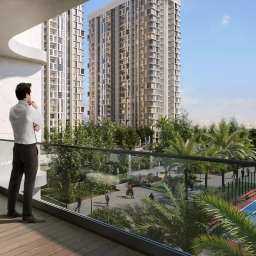
By combining architectural detail with a comprehensive site perspective, these visualizations support design discussions, investor communication, planning presentations, and property marketing. Their value lies in making large-scale projects easier to understand before they become physical places.
Erotické masáže v Praze: Jak si vybrat masérku a užít si chvíle odpočinku
Odpočinek jako součást moderního životního stylu
V dnešní uspěchané době je stále důležitější najít si čas na odpočinek a uvolnění. Každodenní povinnosti, pracovní stres a nedostatek volného času mohou vést k fyzické i psychické únavě. Masáže představují jeden ze způsobů, jak zpomalit, uvolnit napětí a věnovat pozornost vlastním potřebám. V Praze existuje řada možností, včetně specializovaných salonů zaměřených na erotické masáže.
Jakou roli hraje výběr masérky
Výběr masérky může významně ovlivnit celkový dojem z návštěvy. Každý člověk má jiné preference, a proto je vhodné věnovat pozornost nejen vzhledu, ale také zkušenostem, přístupu a nabízeným službám. Důležitá je příjemná komunikace, respektování osobních hranic a profesionální přístup během celého setkání.
Před rezervací se vyplatí seznámit se s dostupnými profily a zjistit, jaké možnosti jednotlivé masérky nabízejí. Přehlednější představa o personálu usnadňuje rozhodování a pomáhá vybrat službu, která odpovídá individuálním očekáváním.
Rozmanitost služeb a individuální preference
Erotické masáže se mohou lišit délkou, průběhem i celkovým charakterem. Někteří návštěvníci dávají přednost klidnější atmosféře a jemným dotekům, zatímco jiní hledají intenzivnější smyslový zážitek. Podstatné je zvolit takovou variantu, která odpovídá osobním představám a probíhá na základě vzájemného respektu.
Při plánování návštěvy lze využít také online přehledy, které představují jednotlivé masérky a pomáhají získat základní informace ještě před příchodem do salonu. Další informace jsou dostupné na následující adrese: <a href="https://prague-fenix.cz/cs/masseuses/">https://prague-fenix.cz/cs/masseuses/</a>
Atmosféra a profesionalita jako důležité faktory
Kvalita návštěvy nezávisí pouze na samotné masáži. Významnou roli hraje prostředí, diskrétnost, čistota a způsob komunikace. Profesionální salon by měl poskytovat jasné informace o nabízených službách, jejich délce a ceně, aby si návštěvník mohl vše předem promyslet.
Stejně důležitý je vzájemný respekt. Před zahájením procedury je vhodné ujasnit si její průběh, případná omezení a očekávání obou stran. Díky tomu může být celá zkušenost příjemnější a bez zbytečných nedorozumění.
Jak se připravit na návštěvu masážního salonu
Příprava nemusí být složitá. Doporučuje se ověřit si otevírací dobu, zjistit podmínky rezervace a předem si vybrat preferovaný typ služby. Pokud má návštěvník konkrétní požadavky nebo otázky, je praktické probrat je již při objednávání.
Důležité je také vyhradit si dostatek času, aby návštěva neprobíhala ve spěchu. Klidný přístup a realistická očekávání pomáhají vytvořit vhodné podmínky pro odpočinek.
Diskrétnost a vzájemná důvěra
U služeb spojených s osobním komfortem je důvěra zásadní. Návštěvníci obvykle oceňují prostředí, ve kterém mohou otevřeně komunikovat o svých preferencích a očekávat respekt k soukromí. Profesionální přístup zahrnuje také dodržování dohodnutých pravidel a respektování osobních hranic.
Před rezervací je proto vhodné věnovat pozornost nejen nabídce služeb, ale také podmínkám návštěvy a informacím, které salon poskytuje.
Závěr
Výběr erotické masáže v Praze závisí na individuálních preferencích, očekávané atmosféře a důvěře v poskytovatele služeb. Pokud si člověk předem zjistí dostupné možnosti, ověří podmínky rezervace a zvolí odpovídající službu, může si návštěvu lépe naplánovat. Důležitými součástmi celého zážitku zůstávají profesionalita, diskrétnost, vzájemný respekt a příjemné prostředí.
Erotické masáže v Praze: Jak si vybrat masérku a užít si chvíle odpočinku
Odpočinek jako součást moderního životního stylu
V dnešní uspěchané době je stále důležitější najít si čas na odpočinek a uvolnění. Každodenní povinnosti, pracovní stres a nedostatek volného času mohou vést k fyzické i psychické únavě. Masáže představují jeden ze způsobů, jak zpomalit, uvolnit napětí a věnovat pozornost vlastním potřebám. V Praze existuje řada možností, včetně specializovaných salonů zaměřených na erotické masáže.
Jakou roli hraje výběr masérky
Výběr masérky může významně ovlivnit celkový dojem z návštěvy. Každý člověk má jiné preference, a proto je vhodné věnovat pozornost nejen vzhledu, ale také zkušenostem, přístupu a nabízeným službám. Důležitá je příjemná komunikace, respektování osobních hranic a profesionální přístup během celého setkání.
Před rezervací se vyplatí seznámit se s dostupnými profily a zjistit, jaké možnosti jednotlivé masérky nabízejí. Přehlednější představa o personálu usnadňuje rozhodování a pomáhá vybrat službu, která odpovídá individuálním očekáváním.
Rozmanitost služeb a individuální preference
Erotické masáže se mohou lišit délkou, průběhem i celkovým charakterem. Někteří návštěvníci dávají přednost klidnější atmosféře a jemným dotekům, zatímco jiní hledají intenzivnější smyslový zážitek. Podstatné je zvolit takovou variantu, která odpovídá osobním představám a probíhá na základě vzájemného respektu.
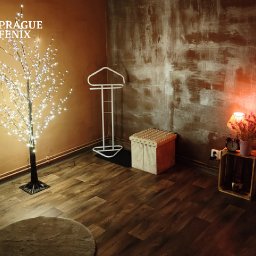
Při plánování návštěvy lze využít také online přehledy, které představují jednotlivé masérky a pomáhají získat základní informace ještě před příchodem do salonu. Více informací je k dispozici zde:
Atmosféra a profesionalita jako důležité faktory
Kvalita návštěvy nezávisí pouze na samotné masáži. Významnou roli hraje prostředí, diskrétnost, čistota a způsob komunikace. Profesionální salon by měl poskytovat jasné informace o nabízených službách, jejich délce a ceně, aby si návštěvník mohl vše předem promyslet.
Stejně důležitý je vzájemný respekt. Před zahájením procedury je vhodné ujasnit si její průběh, případná omezení a očekávání obou stran. Díky tomu může být celá zkušenost příjemnější a bez zbytečných nedorozumění.
Jak se připravit na návštěvu masážního salonu
Příprava nemusí být složitá. Doporučuje se ověřit si otevírací dobu, zjistit podmínky rezervace a předem si vybrat preferovaný typ služby. Pokud má návštěvník konkrétní požadavky nebo otázky, je praktické probrat je již při objednávání.
Důležité je také vyhradit si dostatek času, aby návštěva neprobíhala ve spěchu. Klidný přístup a realistická očekávání pomáhají vytvořit vhodné podmínky pro odpočinek.
Diskrétnost a vzájemná důvěra
U služeb spojených s osobním komfortem je důvěra zásadní. Návštěvníci obvykle oceňují prostředí, ve kterém mohou otevřeně komunikovat o svých preferencích a očekávat respekt k soukromí. Profesionální přístup zahrnuje také dodržování dohodnutých pravidel a respektování osobních hranic.
Před rezervací je proto vhodné věnovat pozornost nejen nabídce služeb, ale také podmínkám návštěvy a informacím, které salon poskytuje.
Závěr
Výběr erotické masáže v Praze závisí na individuálních preferencích, očekávané atmosféře a důvěře v poskytovatele služeb. Pokud si člověk předem zjistí dostupné možnosti, ověří podmínky rezervace a zvolí odpovídající službu, může si návštěvu lépe naplánovat. Důležitými součástmi celého zážitku zůstávají profesionalita, diskrétnost, vzájemný respekt a příjemné prostředí.