





Stats
Member Since July 20, 2026
Love Given: 0
Posts: 0
Love Given: 0
Posts: 0
Badges
Badges go here...
Timeline
@jennifeammond
• 2 days ago
Surviving the Night: Finding Joy in the Jump Scares of Five Nights at Freddy's
There's something uniquely thrilling about horror games that keeps us coming back despite the fear. Unlike movies where we're passive viewers, games like Fnaf put us right in the driver's seat of our own terror. What makes these experiences so compelling isn't just the adrenaline rush—it's the sense of accomplishment that comes from mastering fear and outsmarting whatever lurks in the darkness. Five Nights at Freddy's stands as a perfect example of how simple mechanics can create profound psychological horror that resonates with players worldwide.
The beauty of Fnaf lies in its elegant simplicity. You're a night security guard at Freddy Fazbear's Pizza, armed only with limited power, security cameras, and your wits. The gameplay loop is straightforward yet intensely stressful: monitor cameras to track animatronic characters as they slowly approach your office, conserve power to keep lights and doors functional, and survive until 6 AM. What makes this formula work so well is the perfect balance between tension and release. The game doesn't bombard you with constant scares; instead, it builds dread through silence, distant sounds, and the growing awareness that something is moving just out of sight. Each night increases in difficulty, forcing players to adapt their strategies and confront escalating threats. This progression creates a natural learning curve that transforms initial panic into calculated survival.
For newcomers brave enough to try Fnaf, a few practical tips can make the experience more enjoyable. First, conserve your power—don't waste it constantly checking cameras or keeping doors closed unnecessarily. Learn the patterns: each animatronic has distinct behaviors and movement paths that become predictable with observation. When you hear sounds outside your office, use your lights sparingly to check both doors before they reach you. Most importantly, embrace the fear rather than fighting it. The jump scares are designed to startle you, but they're part of the fun. Take deep breaths, laugh at your own reactions, and remember that dying is just part of learning the game's rhythm. Playing with friends can also transform the experience—watching someone else's genuine reactions while they play often creates shared memories that enhance the overall enjoyment.
Beyond the mechanics, what makes horror games like Fnaf truly special is how they connect with our primal instincts. They tap into our fear of the dark, of being watched, and of losing control—all while remaining safely contained within a game world. This controlled exposure to fear can be strangely therapeutic, allowing us to face and overcome anxieties in a space where the stakes are ultimately low. The community that forms around these games also adds depth to the experience. Players share strategies, create fan art, develop theories about the lore, and bond over their shared survival stories. This social dimension transforms what could be an isolating experience into something communal and meaningful.
Horror gaming isn't for everyone, and that's perfectly okay. But for those who enjoy the thrill, games like Five Nights at Freddy's offer more than just scares—they provide a unique form of interactive storytelling that engages our minds and emotions in ways other genres cannot. The satisfaction of surviving a difficult night, the curiosity about what happens next, and the personal growth that comes from facing virtual fears all contribute to an experience that stays with players long after they've closed the game. Whether you're a seasoned horror veteran or a curious newcomer, there's value in occasionally stepping into the darkness to discover what makes us afraid—and what makes us strong enough to face it. Sometimes, the most memorable gaming moments come not from epic victories, but from those heart-pounding seconds when we choose to stay and face the music, one night at a time.
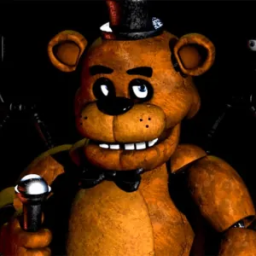
There's something uniquely thrilling about horror games that keeps us coming back despite the fear. Unlike movies where we're passive viewers, games like Fnaf put us right in the driver's seat of our own terror. What makes these experiences so compelling isn't just the adrenaline rush—it's the sense of accomplishment that comes from mastering fear and outsmarting whatever lurks in the darkness. Five Nights at Freddy's stands as a perfect example of how simple mechanics can create profound psychological horror that resonates with players worldwide.
The beauty of Fnaf lies in its elegant simplicity. You're a night security guard at Freddy Fazbear's Pizza, armed only with limited power, security cameras, and your wits. The gameplay loop is straightforward yet intensely stressful: monitor cameras to track animatronic characters as they slowly approach your office, conserve power to keep lights and doors functional, and survive until 6 AM. What makes this formula work so well is the perfect balance between tension and release. The game doesn't bombard you with constant scares; instead, it builds dread through silence, distant sounds, and the growing awareness that something is moving just out of sight. Each night increases in difficulty, forcing players to adapt their strategies and confront escalating threats. This progression creates a natural learning curve that transforms initial panic into calculated survival.
For newcomers brave enough to try Fnaf, a few practical tips can make the experience more enjoyable. First, conserve your power—don't waste it constantly checking cameras or keeping doors closed unnecessarily. Learn the patterns: each animatronic has distinct behaviors and movement paths that become predictable with observation. When you hear sounds outside your office, use your lights sparingly to check both doors before they reach you. Most importantly, embrace the fear rather than fighting it. The jump scares are designed to startle you, but they're part of the fun. Take deep breaths, laugh at your own reactions, and remember that dying is just part of learning the game's rhythm. Playing with friends can also transform the experience—watching someone else's genuine reactions while they play often creates shared memories that enhance the overall enjoyment.
Beyond the mechanics, what makes horror games like Fnaf truly special is how they connect with our primal instincts. They tap into our fear of the dark, of being watched, and of losing control—all while remaining safely contained within a game world. This controlled exposure to fear can be strangely therapeutic, allowing us to face and overcome anxieties in a space where the stakes are ultimately low. The community that forms around these games also adds depth to the experience. Players share strategies, create fan art, develop theories about the lore, and bond over their shared survival stories. This social dimension transforms what could be an isolating experience into something communal and meaningful.
Horror gaming isn't for everyone, and that's perfectly okay. But for those who enjoy the thrill, games like Five Nights at Freddy's offer more than just scares—they provide a unique form of interactive storytelling that engages our minds and emotions in ways other genres cannot. The satisfaction of surviving a difficult night, the curiosity about what happens next, and the personal growth that comes from facing virtual fears all contribute to an experience that stays with players long after they've closed the game. Whether you're a seasoned horror veteran or a curious newcomer, there's value in occasionally stepping into the darkness to discover what makes us afraid—and what makes us strong enough to face it. Sometimes, the most memorable gaming moments come not from epic victories, but from those heart-pounding seconds when we choose to stay and face the music, one night at a time.